
Sleep is something we all need, yet so many of us struggle to get enough of it.
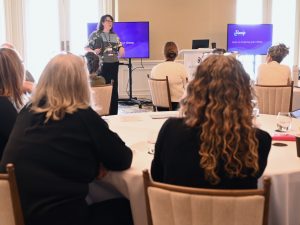
At this year’s SPDS conference, I had the privilege of sharing practical advice and the latest research on sleep health. Whether you missed the session or simply want a refresher, here are the key insights and ideas to help you and your colleagues sleep better.
Why sleep matters
Did you know that working-aged adults need between seven and nine hours of sleep each night? Yet, 35% of UK adults sleep less than seven hours, and half report not getting enough.
The cost to employers is significant, amounting to approximately £1,248 per employee annually due to sleep-related issues.
As HR professionals, encouraging good sleep habits can make a difference to all employees in your organisation. Poor sleep can lead to:
- Difficulties with social interactions and communication
- Impaired performance and increased absence
- Poor decision-making and a higher risk of accidents
- Strained personal relationships and decreased concentration
All of these will impact the day-to-day running of your organisation, and so many people don’t realise that poor sleep can be at the core of these issues.
What do we need for good sleep?
Sleep isn’t just about feeling rested. It’s essential for our physical and mental health and is responsible for:
- Restoration and recharge
- Immune system maintenance and toxin clearance
- Learning and memory consolidation
- Emotional regulation
And we need to get our brain and body ready for bed in order to sleep well. This means:
- Being active and awake long enough to feel tired come bedtime.
- Having a regulated body clock, set by external cues like light, meals, social interactions, and exercise
- A relaxed, calm, and comfortable environment to sleep in. This means not working in bed!
Hormones and Sleep
Sleep is largely regulated by hormones; cortisol and melatonin. Cortisol prompts activity and alertness and we need it during the day, while melatonin helps us feel sleepy so we need it around bedtime. To support healthy sleep, we need to get the balance of these two hormones at the right time of day and night:
- Do cardio exercise during the day to burn energy
- Try calming activities (like yoga) in the evening
- Switch off screens at least an hour before bed
- Keep your bedroom cool (16 to 18°C is the ideal)
- Balance stimulating activities during the day with calming ones in the evening
Does our diet affect sleep?
What we eat and drink can disrupt our sleep. This includes
- Stimulants, including caffeine, sugar, and tobacco; we want to avoid these from late afternoon
- Depressants, including alcohol and sleeping pills; these may help you fall asleep, but reduce sleep quality, so we don’t wake feeling as rested
Top Tips for a Good Night’s Sleep
- Keep a regular routine to help your brain and body know to expect sleep come bedtime. This starts when you get up. Get natural light in the morning, keep active during the day, wind down before bed, and get up at the same time every day.
- Create a consistent sleep environment. This means your bedroom should be predominantly for sleep. Avoid working from your bedroom if possible. This includes doing emails on your phone while lying in bed.
- Use relaxation techniques to help you relax and drift off.
- Focus on rest, not just sleep. Telling ourselves we need to sleep can be stressful, meaning it is impossible to get to sleep. If we tell our brains that we are there to rest, it is more relaxing so you are more likely to drop off, or get back to sleep if you’ve woken through the night.
- Keep a sleep diary to spot patterns and triggers in your sleep.
___________________________________________________________________________________________________

Blog by Alyson O’Brien, Head of Service at Sleep Action, the UK’s oldest sleep charity.
Further support
You’ll find a range of resources on the Sleep Action Website. Sleep Action also provide support directly to organisations through Healthy Sleep Workplace Webinars.
0 Comments